Why Do I Start Crying for No Reason – Find Comfort Here
Introduction
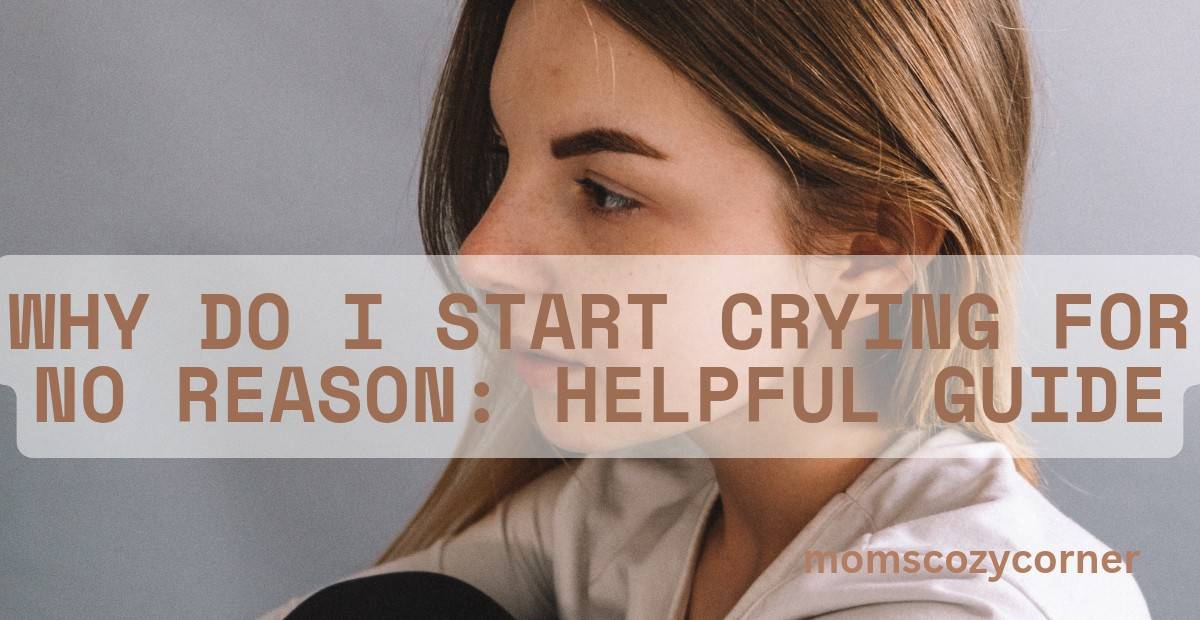
Crying is something we all do—it’s just part of being human. But sometimes, the tears come out of nowhere. Maybe you’re eating an ice cream bar and suddenly spot a couple holding hands, and before you know it, your eyes fill up. You’re left wondering, why am I start crying for no reason? or even why do I cry so much these days?
The truth is, those tears often come from old memories, hidden dreams, or emotions we didn’t realize we were carrying. Sometimes, anxiety can make you cry without warning, or emotional exhaustion builds up quietly until it overflows. For some moms, even hormonal changes can play a part.
So, if you’ve ever wondered “is crying a sign of depression” or “how to stop crying from anxiety”, you’re not alone. So, let’s dig into this together and find out why.
What Triggers Crying for No Reason (Even During Pregnancy)
Sometimes, I find myself crying for no reason at all—and it happens more often than I’d like to admit. It’s not always sadness; sometimes it’s stress, happiness, or all the emotions we’ve been holding inside.
Triggers vary for every mom. One moment that hit me hard was feeding my baby. My elder daughter wasn’t hitting milestones on time, and people kept saying things like, “Her breast milk isn’t enough” or “She should take formula.” Even though her weight was perfectly normal, the comments kept rolling in.

Sitting there, feeding her, tears would start quietly, seemingly without reason. It wasn’t about her growth—it was the pressure, worry, and constant questioning of my choices. Those tears? They’re really a mix of love, worry about not doing enough, and all the feelings we’ve been holding inside. Crying for no reason usually isn’t random—it’s just our hearts letting out the weight we’ve been carrying.
For moms-to-be, sometimes the tears just sneak up out of nowhere. Hormonal changes can make everything feel way more intense, which is exactly why crying without reason during pregnancy happens more than you might expect.
And a big part of that is how deeply we feel emotions. If you’ve ever wondered why your feelings hit so strong, my article Why Do I Feel Things So Deeply? dives into that side of emotional sensitivity.
Here’s why triggers can vary so much:
# Personal sensitivity
Every mom feels differently. What overwhelms me might not overwhelm another mom.
# Situational factors
Your energy, how your day’s going, and your surroundings can make small moments emotional.
# Hidden emotions
Old memories, unspoken worries, or hopes you’re carrying can make tears appear unexpectedly.
# Anxiety and stress
Sometimes, tears sneak in because of anxiety. It’s common to wonder, can anxiety make you cry? The truth is, when stress or worry builds up, it can spill out in sudden tears—even if nothing dramatic happened.
# Happy tears
Sometimes, crying comes from love, gratitude, or pride. Even joy can make us tear up.
# Random timing
A quiet moment, your child sleeping, or a milestone they reach can hit you out of nowhere.
The key thing I’ve learned is that crying isn’t weakness. It’s just your heart processing stress, love, and everything in between. Some days, even tiny things set me off. Other days, big moments barely touch me. And that’s okay.
So if you ever find yourself start crying for no reason, know this: it’s normal, it’s personal, and it’s part of motherhood. Tears are your heart showing up and feeling deeply—and honestly, that’s one of the most human and beautiful parts of being a mom.
When Sudden Tears Take You by Surprise
Have you ever found yourself crying and wondered, why do I feel like crying randomly? That’s something that happens to moms all the time. What used to feel like a simple, everyday moment suddenly feels like the whole world—and the tears and sadness just sneak up on you.
For me, one of those moments happened during bedtime. After finishing the bedtime stories, I was lying in bed with both of my kids, co-sleeping as we usually do. Suddenly, my elder daughter wrapped her little arms around my neck, hugged me tight, and said, “Mom, I love you so much, you’re the best mom.” Out of nowhere, tears started rolling down my face.
I remember thinking, I’ve seen kids hug their moms before, and I always adored it—but I never realized how emotional it could be. That moment surprised me—not just because of the tears, but because it made me see how much becoming a mom had changed me. Those tears were completely emotional—no logic, no explanation. Just pure, heartfelt feelings.
And these moments aren’t rare. If you pay attention, you’ll notice them in your day-to-day life:
# Celebratory moments
Your kids winning a competition or achieving something they worked hard for.
# Long-awaited events
A wedding anniversary or an outing you’ve been planning for months finally happening.
# Personal milestones
Learning a skill you’ve always wanted, like driving, and experiencing the joy of doing it with your family.
# Small victories
Finally getting a recipe right after failing several times—it might seem minor, but the pride and happiness can bring tears.
The key thing to remember is that these tears are not about sadness—they’re emotional, unexpected, and completely valid. They’re a sign that your heart is fully engaged in the moment, soaking in love, joy, pride, or gratitude.
So, if you ever find yourself wiping away tears over what seems like nothing, don’t worry. These are the little emotional surprises of motherhood—the moments that remind us how deeply we feel, how much we love, and how much life’s simple moments can touch our hearts. And honestly? That’s one of the most beautiful parts of being a mom.

Crying and Burnout: When the Load Gets Too Heavy
We always think we cry only because of some emotional outcome—like when someone says something that hurts. But honestly, there are other hidden things that can make us start crying for no reason too.
Is Crying Easily Be a Symptom of Burnout?
Yeah, it really is. For many stay-at-home moms, burnout creeps in quietly. Our days often start before the sun comes up, and sometimes they end with crying for what feels like no clear reason—but deep down, it’s the weight of all the invisible tasks we carry. Breakfast rush, school drop-offs, endless chores, homework, dinner—it feels like invisible wheels strapped to our feet, spinning nonstop until bedtime. And even then, there are still dishes, laundry, and those “little” chores waiting. No wonder our energy feels drained.
One of my relatives once joked about her gadget watch that counts steps. She laughed, saying, “I don’t need to walk extra—it already shows 20,000 steps just from housework!” And honestly, that’s the reality for so many moms. If it happened only once in a while, it’d be fine. But when every day feels like a festival day, exhaustion builds up. That’s burnout—and it makes tears spill over so easily.
Some signs your tears may be linked to burnout:
- Crying over tiny things that normally wouldn’t bother you.
- Waking up tired, even after a full night’s sleep.
- Snapping at your partner or kids without meaning to.
- Struggling to enjoy the things you normally love.
Tears showing up for no clear reason—just from carrying too much.
Spotting the Signs of Emotional Burnout
Sometimes burnout doesn’t scream at us—it just shows up quietly in the little moments. I noticed it when my daughter came running with a drawing she was so proud of. Normally, I’d bend down, look at every little detail, and tell her how beautiful it was. But on days when I was worn out, I caught myself brushing it off with a quick “nice” or “good.” That tiny shift told me something was off inside me.
When you start paying attention, you’ll see your own signs too. For me, they show up in different ways:
1. Constant irritation
Even small requests feel like a burden when I’m exhausted.
2. Endless sleepiness
I can’t seem to get enough rest, no matter how much I sleep.
3. Sensitivity overload
A casual comment can trigger tears because I’m already drained.
4. Physical signals
My migraines hit harder after sleepless nights, making it tough to even open my eyes or respond to anyone.
It’s not just about being tired—it’s a mix of emotional exhaustion and physical wear that makes every little thing feel heavier than it should. And once I recognized these signs, I knew they were red flags telling me to pause, breathe, and take care of myself—otherwise, I might start crying for no reason at any moment.

Tears and Strength: What They Really Mean
Let’s be real—since we were kids, we’ve heard “don’t cry” like it’s a weakness. But honestly, tears aren’t weakness at all—they’re just emotions finding their way out.
Crying Alone Is Not a Weakness
No, definitely not. Sometimes when I start crying for no reason, it feels like everything I’ve been carrying just spills out at once. I’ve noticed so many men around me who rarely cry, even in situations like the death of a loved one. I’ve wondered about it many times, but the reality is—they were taught from childhood that crying is a sign of weakness. But in truth, crying is not a sign of weakness; it’s a sign that you’re allowing yourself to feel and release.
Crying easily often shows something deeper: kindness, empathy, and emotional honesty. Even if it’s a “silly” thing that brings tears, it doesn’t make you weak. It reflects a heart that feels, notices, and cares.
Sometimes, it’s also connected to being a people-pleaser. We don’t want to say no because we fear hurting others, or worry they’ll judge us. That sensitivity makes tears appear more easily—but it’s part of being human, not a flaw.
Signs crying alone can actually show strength:
- Feeling deeply and caring genuinely about others.
- Being honest with your emotions instead of bottling them up.
- Using tears as a healthy release for stress and exhaustion.
- Being aware of how your actions and words affect the people around you.
So next time tears flow when you’re alone, remember: it’s not weakness. It’s a quiet, beautiful strength, showing your heart is open and alive.
Letting It Out vs. Holding It In
Having emotions keep building up is a lot like blowing up a balloon. You keep filling it with air, and eventually, it can’t hold anymore—it pops. That’s exactly what happens when emotions pile up in your mind. Stress builds automatically, and suddenly, even tiny, petty things can irritate you. Holding it all in doesn’t help—actually, it makes everything heavier.
You might even wonder, is crying good for your mental health? The answer is yes—letting it out through a good cry can feel like pouring your emotions out and suddenly floating like a feather. If you cry in front of someone you feel close to, it can even bring you closer, because you’re expressing your feelings without holding back.
If you keep holding those tears in, even simple tasks start to feel impossible. You feel frustrated, powerless, maybe even like a failure—and that just adds more stress. But letting it out, whether alone or with someone you trust, is perfectly fine. You don’t need anyone’s permission for your tears. Crying is a way your mind and heart release all that built-up pressure, and it’s completely natural.
- Bottling up emotions makes stress and irritation worse.
- Crying releases mental and emotional pressure.
- Sharing tears with someone you trust can strengthen your bond.
- Holding in emotions makes even simple tasks feel heavier.
- Crying alone is healthy and completely okay.

Little Things That Help When You Tear Up
Crying is natural—you can’t just stop it, and honestly, you don’t need to. Sometimes, you might find yourself crying out of nowhere, and that’s perfectly normal. Tears release stress and bring emotional balance. When those unexpected tears hit, here are some gentle ways to cope.
Do What You Love
Self-care isn’t only skincare—it’s about caring for your soul. Doing something you genuinely love, like sipping tea, journaling, or even playing with your kids, can calm your mind and lighten your mood.
Move Your Body, Calm Your Mind
Gentle exercises such as yoga, stretching, or slow breathing relax both body and mind. They don’t need to be long—just a few minutes can help.
Share With the Right Person
Crying in front of someone you trust can bring closeness. But choose wisely—if they’re calm, their energy will soothe you. If they’re hyper, their mood may pass on to you.
Know Your Style
Extroverts may find comfort in warm groups and shared spaces. Introverts (like me) usually prefer opening up only to one or two trusted people. It’s not about telling everything—it’s about feeling safe while sharing.
Quick Coping Tips:
- Do one thing you genuinely love.
- Do some light yoga or meditate.
- Laugh or play with your kids.
- Share only with trusted, calm people.

Final Thoughts: Your Tears Have a Purpose
Mama, if you landed here, it’s probably because you’ve been worried about those sudden tears and maybe even thought, “What’s wrong with me? Am I too weak?” Let me remind you — there is nothing wrong with you. Sometimes you may start crying and can’t even find the reason behind it. Tears don’t mean you’re broken or emotionally unstable. Sometimes, they’re just your heart’s way of letting out what your mouth can’t say.
Think of tears as a little bridge between your mind and your heart — between your brain and your emotions. Letting them flow is how both sides of you find calm again. That’s not weakness; that’s healing.
If even one part of this guide helped you breathe a little easier, I’m truly glad. And if you know another mom or friend who might need this reminder, please share it with her — we all need that extra nudge of comfort sometimes.
Also, I’d love to hear your thoughts in the comments. Your feedback is what encourages me to keep writing more heart-to-heart posts like this.
Thanks for reading, and thanks for walking through this little journey with me.