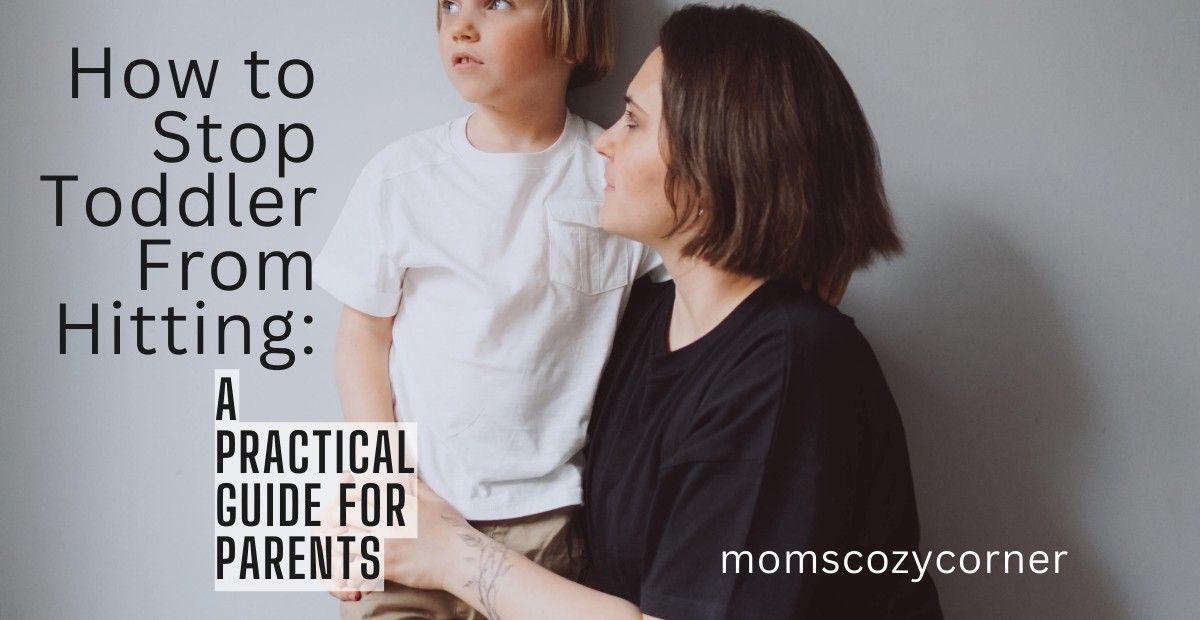
How to Stop Toddler From Hitting: A Practical Guide for Parents
Introduction
I was sitting in a clothing store, waiting for my dress to be altered, just killing time and people-watching. That’s when I noticed a three-year-old boy next to his mom. He kept tugging at her dress and saying, “Mama, mama,” but she was busy talking to the sales associate about sizes and didn’t catch it right away. After a few tries, the kid switched gears and started hitting her. Looking at them, it was clear that knowing how to stop a toddler from hitting in that moment is about more than just “fixing” a bad habit—it’s about understanding what they are trying to say.
And instantly—boom—he had her full attention.
That’s when it clicked for me. The hitting wasn’t about being “bad.” It was communication. It worked. He finally felt seen. Hitting like this is actually super common in toddlers and preschoolers. Ignoring it alone usually doesn’t fix it, and yelling tends to make things blow up even more. In this article, we’re going to dig into why kids hit, what actually helps stop it long-term (not just in the moment), and how long real change realistically takes—no panic, no guilt, just real talk.
Understanding Toddler Hitting Behavior
Before trying to stop hitting, we need to understand it. When we see a toddler hit—especially in public—we often jump to judgment: That’s a bad kid. They’re raised badly. They’re trying to control others. When it’s our own child, the blame usually turns inward.
But the truth is simple: if your child hits, they are not bad—and you are not a bad parent. Hitting is a behavior problem, not a character flaw. Once we understand why it happens, we can respond in ways that actually help instead of making things worse.

For many toddlers, hitting is communication—not defiance.
Why Toddlers Hit Instead Of Using Words
Toddlers usually know how they feel—they’re mad, frustrated, or overwhelmed—but they don’t yet have the words to express it in intense moments. Talking about emotions is hard when feelings peak. Hitting feels easier. It’s fast, physical, and it gets attention. Just like adults, kids choose what feels easiest under stress.
Brain Development And Impulse Control Limits
A toddler’s brain is still developing, especially the prefrontal cortex, the part responsible for impulse control and emotional regulation. That’s why they act first and think later. Expecting them to pause and make better choices during a meltdown isn’t realistic yet.
What Reinforces Hitting Unintentionally?
Big reactions often make hitting worse. Shouting, rushing in, or repeating the behavior gives it more attention. I noticed this with my younger daughter—when she hit her sister and my dad angrily kept repeating how much she hits, the hitting increased. The behavior grew because the attention did.
Toddler Hitting at Ages 3–4: What’s Normal and What’s Not
Between ages three and four, kids can communicate pretty well most of the time. They tell us when they’re hungry, upset, or want something. Because of that, hitting at this age can feel confusing or even alarming—especially when you’re trying to stop toddler from hitting and it keeps happening. But developmentally, this stage still comes with emotional overload and boundary-testing. Understanding why the hitting happens helps us respond without panic or guilt.
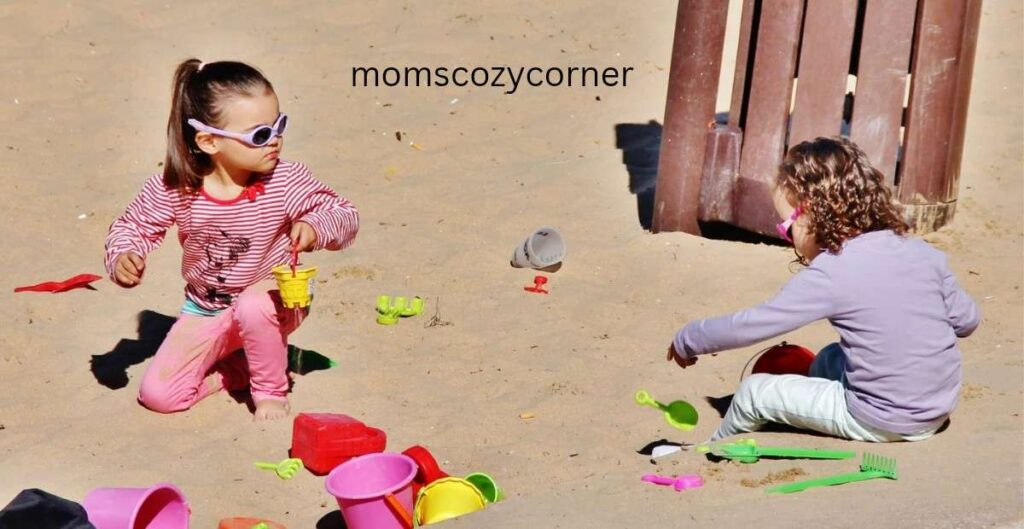
Public moments can make hitting feel more stressful for parents.
Is It Normal For a 3.5-Year-Old To Hit?
Yes—occasionally, it can still be normal at this age. Not acceptable, but understandable. Common reasons include:
1. Big feelings: frustration, jealousy, feeling ignored, or just totally overwhelmed
2. Body stuff: hungry, wiped out, overstimulated, or running on zero sleep
3. Tough moments: a playdate ending, leaving somewhere fun, or being told “no”
4. Boundary testing: What if I hit? Who reacts? Do they get mad? Do they laugh?
At this age, kids are constantly testing cause and effect. Sometimes hitting even looks playful or funny—not because they want to hurt someone, but because they’re studying reactions. This doesn’t mean your child is a bully. It means their nervous system is experimenting.
I saw this with my own child when she hit her grandpa and he laughed, saying she was just playing. To her, that reaction made hitting feel fun. Kids absorb our responses quickly—what we smile at, they repeat.
When Hitting Becomes a Concern
Hitting needs closer attention when it turns into a pattern, such as
- Happening frequently or daily
- Occurring without clear triggers
- Being treated like a game despite correction
- Ignoring boundaries even after guidance
- Hitting unfamiliar people or peers
- Increasing over time instead of fading
This doesn’t mean something is “wrong” with your child. It simply means the behavior needs more consistent guidance and support before it becomes a habit.
Why Ignoring Toddler Hitting Often Backfires
A lot of us have heard this advice: “Just ignore it. Don’t react.”
And honestly, for some things, that works. Whining. Fake crying. Minor tantrums meant to get attention.
But hitting? Nope. Different story.
Hitting isn’t just annoying behavior—it’s physical. Someone’s getting hurt. And when we ignore it, toddlers don’t think, “Oh, I should stop.” They think, “Wait… what just happened?”
At this age, kids learn rules by watching us. Our reaction is the rulebook. When we try to stop toddler from hitting by giving no response or no clear message, it doesn’t calm things down—it actually makes everything more confusing.
Hitting is just one behavior—but it’s not happening in isolation. How we respond to hitting usually reflects how we approach discipline overall. If you’ve ever felt confused about where to draw the line between being calm and being firm, this breakdown on how to discipline a toddler will help put the bigger picture together.
Is Ignoring Hitting a Good Strategy?
Short answer? Nope.
Ignoring hitting doesn’t really work long-term. For toddlers, hitting is usually their way of saying, “I’m overwhelmed, and I don’t know what to do with this feeling.”
When words disappear, hands take over.
If we don’t step in and show them another way to handle those big feelings, they’ll keep doing what worked before—hitting. Not because they’re “bad,” but because no one taught them an alternative.
Most child development research says the same thing: kids learn boundaries faster when adults respond right away and consistently. Ignoring just drags out the lesson and leaves them guessing.
What Toddlers Actually Learn When Hitting Is Ignored
When hitting gets ignored, toddlers don’t learn self-control. They usually learn stuff like
⇒“Guess hitting is allowed.”
No reaction can feel like permission to a toddler.
⇒ “I should hit harder.”
If soft hits don’t get attention, they’ll level up.
⇒“Hitting gets a reaction.”
Especially when they’re mad, jealous, or confused.
⇒“This is how I deal with big feelings.”
Because no one showed them another way.
Toddlers run on cause and effect. If hitting doesn’t have a clear response, they assume there’s no real rule around it.
Ignoring doesn’t teach self-control. Calm, clear boundaries do.
When we stay steady and model the behavior we want while we stop toddler from hitting, we’re teaching them something way more useful:
Emotions are allowed. Aggressive behavior isn’t.
Responding to Hitting in the Moment
When you are looking for how to stop a toddler from hitting, what matters most is not what we explain later, but how we respond at the exact moment hitting happens. This isn’t the time for shouting, threatening, or long talks. Those reactions don’t stop the behavior—they usually fuel it.
When a child hits, the goal is simple: interrupt the behavior immediately and keep it from escalating. Teaching comes later, when the child is calm enough to process it.

Clear, calm boundaries stop hitting without escalating emotions.
Stopping the Behavior Safely and Immediately
When my younger daughter hits her sister over a toy, I don’t yell from where I am. I step in right away and physically stop the hit by holding her hand—firm but safe.
I say one short line:
⇒“Don’t hit.”
That’s it.
If the situation allows, I immediately model the words she doesn’t have yet:
⇒“Sis, I want that toy.”
If she’s calm enough, she repeats it. If she’s not, I don’t push talking. I remove her from the situation, let her settle, and come back to the words later. The priority in that moment is stopping the behavior—not explaining it.
Setting Clear Boundaries Without Escalation
Boundaries work best when they’re predictable. Every time hitting happens, the response is the same:
- The hit is blocked.
- The child is interrupted.
- The behavior stops.
- No threats. No emotional reactions. No long back-and-forth.
Over time, the child learns one thing very clearly: hitting never gets me what I want. That’s how the behavior starts to fade.
What to Say—and What Not to Say
In the moment, language should be minimal and functional. Think of yourself as a referee, not a judge. A referee blows the whistle and points to the foul—they don’t stop the game to explain the history of the rules.
Stick to “Don’t hit.” Or, “I won’t let you hit.”
Avoid: “Why would you do that to your sister?”
By keeping your words short, you ensure the “boundary” is the only thing their brain has to process.
Teaching Toddlers Not to Hit Over Time
Stopping the hitting in the moment is important—but let’s be real, that alone doesn’t magically fix it. It’s just step one. The real change happens over time, and it happens through doing the same thing again and again.
Toddlers don’t learn from one perfect response. They learn from patterns. When the same response shows up every time they hit, their brain slowly starts to get the message.
How Toddlers Learn Alternatives to Hitting
Kids don’t stop hitting just because we say, “Use your words.” They stop when we actually show them how.
That usually looks like this:
- Modeling simple words when things are calm
- Practicing those words outside the conflict
- Repeating the same guidance every single time
Not long explanations. Not emotional speeches. Just short, clear practice.
Over time, they figure out that words work better than hitting—and once their brain sees that, it starts choosing the easier option.
What Consequences Actually Work for Hitting?
For consequences to work, toddlers need to connect them to the moment. That’s it.
The most effective ones are
- Immediate
- Related to the behavior
- Calm and predictable
So things like
- The toy gets taken away.
- Playtime stops.
- The playdate or park visit ends.
These act as natural consequences for hitting—it’s not punishment, just cause and effect.
You hit → the activity stops.
Things like losing screen time later or bringing up something from days ago don’t land at this age. Their brain just can’t connect it.
Positive Discipline From a Behavior-Analysis Lens
Positive discipline doesn’t mean letting everything slide. And it definitely doesn’t mean giving kids whatever they want.
It means guiding behavior without piling on shame, guilt, or yelling. Less heat. More clarity.
When you stay neutral, repeat the same response, and practice the behavior you want to see, you’re doing the real work to stop toddler from hitting—slowly, calmly, through experience, not fear.
That’s how self-control actually develops.

Progress shows up before perfection.
When and How Hitting Typically Reduces
I remember asking my mom, “How long is this going to last? Is she always going to hit?”
That question comes up when you’re tired and just want it to stop now. But hitting usually doesn’t disappear overnight. It fades as kids build language, self-control, and emotional skills.
It reduces as they learn what to do instead.
What Age Do Toddlers Usually Stop Hitting?
For many kids, hitting starts to reduce between 3.5 and 5 years old, as
- They can explain what they want.
- Their impulse control improves.
- Emotional regulation gets stronger.
That doesn’t mean hitting is “normal” until five. It means they’re still learning.
Signs Your Approach Is Working
Don’t wait for hitting to disappear. Look for small wins instead:
- Less frequent hitting
- Pausing before reacting
- Using words more often
- Faster recovery after meltdowns
Those small shifts mean you’re on the right path.
Conclusion
Honestly, my 3.5-year-old is still learning. Some days are tough—she hits, throws tantrums, or melts down over the tiniest thing. I still remember a recent playdate where she hit another kid, right in front of everyone. Yep, I felt embarrassed, judged, and even a little frustrated with myself. But here’s the thing: she’s not a bad kid, and I’m not a bad parent. She’s just figuring out big feelings, and sometimes hitting is how it comes out. Some days are better—she uses words, asks nicely, or handles frustration in her own little way. And that’s progress.
What really helps to stop toddler from hitting is staying calm, being consistent, and showing them the right way over and over. Little by little, they start to get it.
If any of this helps you make sense of your toddler hitting, feel free to share it with other parents or drop your own tips in the comments. Hearing each other’s stories really makes a difference—we’re all in this together.