How to Stop Comparing Yourself to Others as a Mom (Gentle, Real-Life Steps)
Introduction
These days, social media plays a huge role in how we compare ourselves — but it wasn’t always like this. Before, we compared ourselves to people we actually knew — our moms, neighbors, or other moms around us. Even if we felt they were doing better, we were seeing their real lives, including their struggles. And because of that, it felt a little easier to stop comparing and come back to our own reality.
Now, it’s different. We’re comparing ourselves to strangers online, without knowing anything about their real, everyday life. And without realizing it, we fall into a trap. A few minutes of scrolling can make you feel like you’re behind… like you’re not doing enough. Slowly, it steals your confidence, your joy, and your ability to see the good in your own life.
In this article, we’ll gently unpack this and learn how to break free from comparison.
Why Do We Compare Ourselves to Others So Easily?
The Natural Human Tendency to Compare
Comparison isn’t something new — it starts early. As kids, we were compared to siblings, classmates, and friends. So naturally, our brain learned to observe others and figure out what’s better or right.
At first, it was about learning and improving.
But over time, it shifted into something deeper.
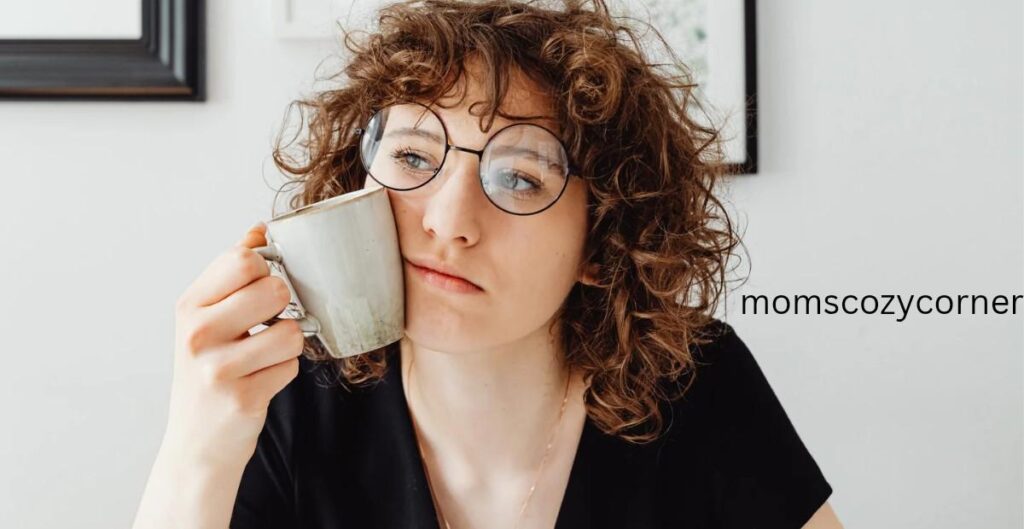
Sometimes, the hardest comparison we face is the one we have with ourselves
The Hidden Root of Comparison
Comparison becomes painful when it turns into a question of worth.
Instead of learning, we start wondering, “Am I enough?”
And when that question isn’t answered within us, it creates self-doubt, insecurity, and a constant need for validation.
When you’re unsure of your own value, you start measuring it through others.
Why Moms Feel This More Deeply
Motherhood makes this stronger.
Our days are full, but they don’t always feel measurable — so we look around.
I remember telling another mom how much I admired her. And she said, “I was actually thinking the same about you.”
That moment hit me.
We’re all comparing… while someone else is quietly admiring us.
And maybe the truth is — we’re already enough, just in our own way.
What Triggers Comparison in Everyday Life?
Social Media — The Biggest Comparison Trap
Social media is honestly one of the biggest triggers for comparison.
We keep seeing happy moments, clean homes, fun outings… and slowly, somewhere in our mind, we start thinking, “This is what a good, happy life should look like.”
Not because we’re trying to compare — it just happens.
And we forget that we’re only seeing small, perfect pieces… not the full, messy reality behind them.
Real-Life Triggers You Don’t Notice
And it’s not just social media either.
In everyday life, these little moments come up so naturally.
Like…
- when we see another mom handling things a little more calmly
- when someone seems to balance work and home so smoothly
- when relatives casually talk about lifestyle or finances
- when we notice someone doing something we struggle with
Nothing feels “big” in that moment… but it stays with us.
Signs of Unhealthy Comparison
And slowly, without even realizing it, comparison starts feeling a little heavier.
Like…
- we keep feeling a little behind
- what we do doesn’t fully feel like enough
- a small pinch of jealousy comes in… and then guilt right after
- we replay things in our head, wondering if we could’ve done better
- and even on good days, it feels hard to fully enjoy it
It’s not something we choose… it just builds up quietly.
And when it becomes a pattern like this, it stops helping us grow — and starts taking away our peace.
Why Comparing Yourself to Others is So Harmful
It’s an Unfair Comparison
If you think about it, we’ve always known comparison isn’t fair.
As kids, when our parents compared us to a sibling or a friend, we didn’t like it. We would think, “That’s not fair… I’m good at something else,” and we just wanted them to stop comparing us.
We understood back then that:
- everyone has different strengths
- everyone has different struggles
But now, we don’t say that to ourselves anymore.
We compare quietly.
Maybe you’re doing really well in parenting, and another mom is strong in handling pressure. She might admire you… while you’re admiring her.
But when we compare without seeing our own strengths, it starts hurting us.
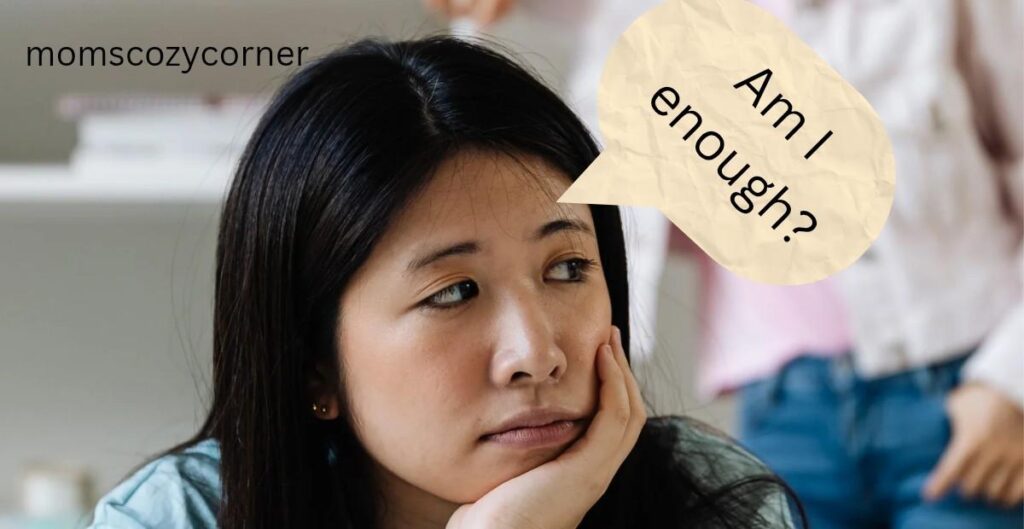
The question isn’t whether you are enough—it’s why comparison makes you forget that you are.
It Damages Your Self-Esteem
Comparison often begins with a small thought:
“Maybe I’m not doing enough…”
And when that thought repeats, it slowly becomes a belief.
- we start doubting ourselves
- we question things we were once confident about
- we lose trust in our own way of doing things
It’s not loud… but it builds a quiet insecurity inside us.
And if you’ve been feeling this way for a while, rebuilding that confidence can feel really hard… but it’s not impossible. You can slowly get back to feeling like yourself again. I’ve shared some gentle, real-life ways that can help you here → How to Regain Confidence as a Mom.
It Steals Your Joy and Peace
The hardest part is what it takes away from us.
When we compare, we focus more on what we don’t have and miss what we already do.
So even on a good day, it can feel like:
- something is missing
- we should be doing more
- we’re not fully satisfied
And slowly, we stop feeling grateful for what we have.
That’s when comparison makes us feel stuck — not because we’re not doing enough, but because we’re not able to see it anymore.
How to Stop Comparing Yourself to Others (Practical + Gentle Steps)
1. Become Aware of When It Starts
The first step isn’t stopping comparison — it’s noticing it, because that’s how we slowly learn to stop comparing.
Most of the time, it happens automatically. A small thought like, “She’s doing better…” just slips in.
Instead of going along with it, pause and tell yourself, “Okay, this is comparison.”
No judging. Just noticing.
2. Identify and Avoid Your Triggers
Every emotion has a trigger — comparison does too.
It could be:
- scrolling social media too much
- certain conversations that leave you feeling low
- moments when you’re already tired or overwhelmed
I’ve been there too. I used to compare a lot, especially through what I saw online. It wasn’t easy to step back. It actually took effort — and honestly, a bit of courage — to change that habit.
But once I started noticing my triggers and taking small steps, things slowly felt lighter.
If I could do it, you can too.
3. Remind Yourself: You Don’t See the Full Story
When comparison starts, gently remind yourself:
“I’m only seeing the outside, not the inside.”
Everyone has struggles — we just don’t see them.
4. Shift Focus to What You Already Have
When your mind goes outward, bring it back.
- What went right today?
- What do I already have?
- What small moment made me smile?
These small things matter.
5. Focus on Your Strengths (Not Your Gaps)
We all have strengths and struggles.
Instead of focusing on what’s missing, notice what you’re already doing well — even if it feels small.
6. Stop Trying to Be Perfect
Some days won’t go as planned.
I’ve had days where I wanted everything perfect for my kids… and it didn’t happen. I felt guilty at first.
But slowly, I realized — that’s normal.
Perfect isn’t real life.
How to Stop Overthinking and Comparing at the Same Time
The Comparison–Overthinking Loop
Comparison and overthinking often go together.
It usually starts with one simple thought. Like seeing a confident mom at your child’s school and thinking, “She’s confident.” That’s normal.
But when the mind stays there, it slowly turns into:
- “How is she so confident?”
- “Maybe she has more support…”
- “I lost that confidence…”
And just like that, one thought turns into overthinking… and overthinking turns into comparison.
If you’ve noticed this pattern in your own mind, you’re not alone. Overthinking can quietly take over before we even realize it. If you want to understand it better and learn how to gently break that cycle, I’ve shared simple, real-life steps here → How to Stop Overthinking About Something That Bothers You.
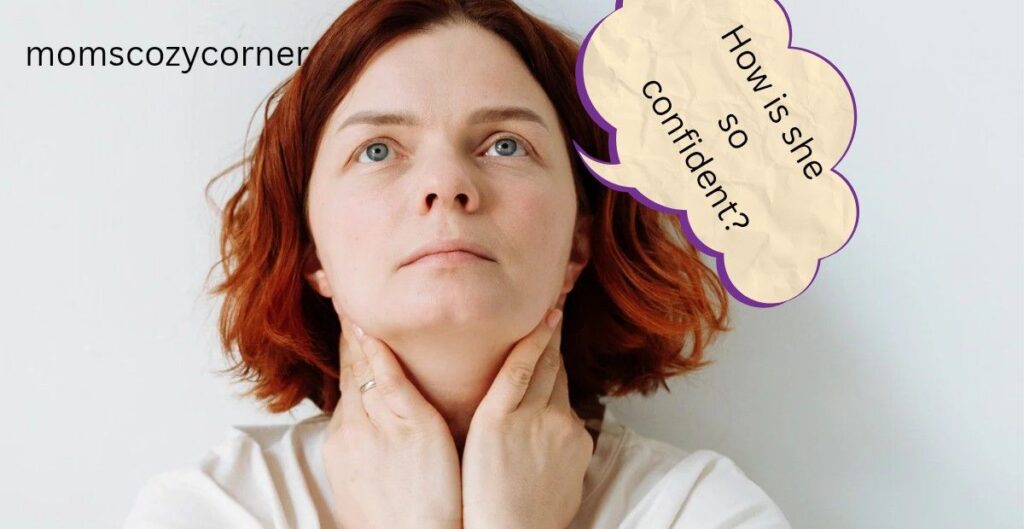
Comparison often starts with a simple thought
Pause the Thought
We can’t control what thoughts come in.
But we can control what we do with them — and that’s where we begin to stop comparing.
Instead of going deeper, gently pause and tell yourself, “Okay, this is just a thought.”
Let it pass, without holding onto it.
Redirect Your Mind Gently
After pausing, shift your focus — softly, not forcefully.
- come back to what you were doing
- take a small break or fresh air
- think about something you’re grateful for
Gratitude really helps bring your mind back.
Come Back to What’s Real
Overthinking pulls you away from reality.
So gently come back:
- What’s actually going well right now?
- What am I handling in my own way?
It’s About Interrupting, Not Stopping
We can’t always stop a thought from showing up.
But we do have a say in what happens after.
We can either let it grow into overthinking and pull us down… or pause, and choose not to stay there.
That small choice makes a big difference.
How to Build Self-Esteem So You Stop Comparing
Build Internal Validation
A big shift happens when you stop looking outside for validation and start building it within.
It’s about reminding yourself, “I am doing enough.”
That inner voice matters more than we think. It slowly builds self-respect and trust in yourself.
And honestly, this doesn’t happen overnight.
It’s something we build little by little — through how we think, how we respond, and how we treat ourselves every single day.
Celebrate Small Wins
Most of the time, we overlook what we’re already doing well.
But there are so many small moments where you handled things better than before.
- maybe you stayed calm in a tough situation
- maybe you showed more patience than usual
- maybe you simply got through a hard day
That counts.
When you start noticing these small wins, your mind slowly shifts. You begin to see your growth more clearly — and that builds your self-esteem.
Speak to Yourself Kindly
Think about how you talk to a friend when she’s struggling.
You don’t say, “You did everything wrong.”
You speak with understanding. You help her feel better. You remind her of her strength.
Now imagine doing that for yourself.
- speaking with a little more patience
- being a little more understanding
- not being so quick to judge
Because the way you talk to yourself shapes how you feel about yourself.
And you deserve that same kindness
Can Comparison Ever Be Healthy?
Comparison is not completely a bad thing.
It really depends on how we use it… and how we handle it.
There are times when comparison can actually help us grow. It can push us forward, give us motivation, and help us improve in our own way — without waiting for someone else to validate us.
In that sense, it’s in our hands.
We can choose to use comparison as a way to move forward instead of feeling stuck.
When used in a healthy way, comparison can:
- motivate us to grow
- help us learn something new
- push us to become better in our own way
But the same comparison can take a different turn.
When it shifts into self-judgment, things start to change.
- we begin to doubt ourselves
- we lose confidence and self-respect
- we start feeling like we’re not enough
And that’s when it becomes harmful.
So the difference is not in comparison itself — it’s in the direction we take it.
If we use it to push ourselves in a positive way, it can be healthy.
But if it pulls us down, that’s when we need to pause and shift it.
Conclusion
This isn’t about judging yourself — or anyone else. Every mom’s life looks different. We all have our own challenges, strengths, and struggles. So if you find yourself comparing sometimes, there’s nothing wrong with that. It’s human.
But what matters is how you handle it — and how gently you learn to stop comparing in those moments. Instead of letting it pull you down, gently remind yourself — you’re already doing more than you think.
And honestly, there’s probably someone out there who would look at your life and feel the same way you do about someone else. So just pause and take that in.
You’re trying. You’re learning. You’re growing — and that counts.
If you’re here reading this, it means you’re already taking a step forward.
And if even one small part of this helped you, that’s more than enough. You don’t need to live someone else’s life to feel enough in your own.