Gentle Parenting Without Perfection: What Really Works
Introduction
Gentle parenting is everywhere on social media right now. When I see those calm reels and soft responses, two thoughts usually pop into my head: Why am I shouting over small things? And if I try to become a more gentle, patient parent, will my kids start taking me for granted? These doubts feel even louder when you’re dealing with tantrums, hitting, whining, or that straight-up “no.”
What changed for me was understanding gentle parenting the right way. It’s not about saying yes to everything. It’s about teaching skills to replace inappropriate behavior—because behavior is connected to a child’s developing brain, not a character flaw. Once I saw it this way, my parenting started to feel steadier instead of stressful. I wasn’t reacting in the moment as much; I was guiding. This guide focuses on exactly that—what to say, what to do, and how to respond app so discipline feels clear, calm, and doable.

Gentle parenting begins with emotional safety and connection.
What Is Gentle Parenting (And What It Is NOT)
Gentle parenting is often misunderstood because many people focus only on how gently a parent speaks. But gentle parenting isn’t about having a soft voice all the time. It’s about empathy, boundaries, and guidance working together. You can be firm and still be gentle. You can stop behaviors and still stay respectful.
⇒“Gentle parenting is not gentle speaking. It’s intentional guiding.”
At its core, gentle parenting focuses on character building, not short-term behavior control.
What gentle parenting actually means in daily life
In everyday moments, gentle parenting shows up as teaching skills, not just correcting behavior. When my younger daughter hit her sister, I initially focused only on stopping the behavior. Once I understood gentle parenting better, my approach shifted. I stopped seeing the hitting as intentional or a character flaw and started seeing it as a missing skill.
She wanted to play but didn’t yet know how to regulate her emotions or use the right words in that moment. So instead of reacting with anger, I guided her by naming the feeling and teaching her exactly what to say, such as the following:
⇒“Can I play with you?”
⇒“You’re building so nicely. Can I join you?”
This is gentle parenting in real life:
- Clear boundaries without yelling or fear
- Teaching what to do instead of just saying “don’t.”
- Repeating skills again and again, without expecting instant change
“Progress matters more than perfection.”
What gentle parenting is often mistaken for
Gentle parenting is often mistaken for permissive or “always-happy” parenting. Many parents believe it means the following:
- Saying yes to avoid tears
- Keeping kids happy 24/7
- Measuring good parenting by smiling children
But smiling kids don’t equal good parenting.
⇒“A child crying doesn’t mean you failed. It means they feel safe enough to express their struggle with you—and that a skill is still developing.”
When we expect constant happiness – tantrums, whining, or frustration starts to feel like problems instead of signals. But when you’re trying to be a more gentle and aware parent, you begin to see those emotions differently. Gentle parenting doesn’t avoid emotions—it uses them as teaching moments.
Why Gentle Parenting Works for Child Behavior
Gentle parenting works for child behavior because it doesn’t focus on stopping behavior in the moment. Instead of reacting only to what kids are doing, it looks at why the behavior is happening. The goal isn’t instant obedience—it’s teaching the skills kids need to handle situations better next time.
These skills are learned without fear, threats, or punishment. When a child’s brain isn’t in fear mode, they’re more open to listening and learning. That’s why gentle parenting isn’t about quick results. It’s about long-term behavior change that actually helps kids as they grow.
⇒“Behavior improves when kids are taught, not frightened.”
What makes the difference:
- Focus on the reason behind the behavior.
- Teaching skills calmly, without fear
How Gentle Parenting Affects Kids Emotionally
Every child has big emotions—anger, crying, frustration. These feelings are normal. And the way we respond matters a lot in how kids learn to regulate them.
In gentle parenting, we don’t ignore negative behavior, and we don’t leave kids alone with big feelings. We stay present and calm. This helps kids learn boundaries without feeling scared.
What kids learn emotionally:
- Their emotions are safe and accepted.
- Big feelings are manageable.
- Parents stay calm during emotional moments.
⇒“When kids are not scared of their emotions, they learn how to handle them.”
When a child sees that their parent accepts happiness, crying, and anger—but doesn’t accept hitting, throwing, or shouting—they learn that emotions are okay, but unsafe behavior is not. Over time, this reduces power struggles and builds self-control and cooperation.
Is Gentle Parenting the Healthiest Parenting Style?
Compared to other parenting styles, gentle parenting is more balanced. Authoritarian parenting uses fear and obedience. Permissive parenting offers freedom without guidance.
⇒One has fear without connection.
⇒The other has connections without boundaries.
Gentle parenting sits in between. We set clear limits with emotional support, not aggression.
⇒“Connection is what makes boundaries actually work.”
When kids feel loved, seen, and more important than distractions, boundaries become easier to accept. They know they’re loved no matter what—even when certain behaviors don’t get the reaction they want.
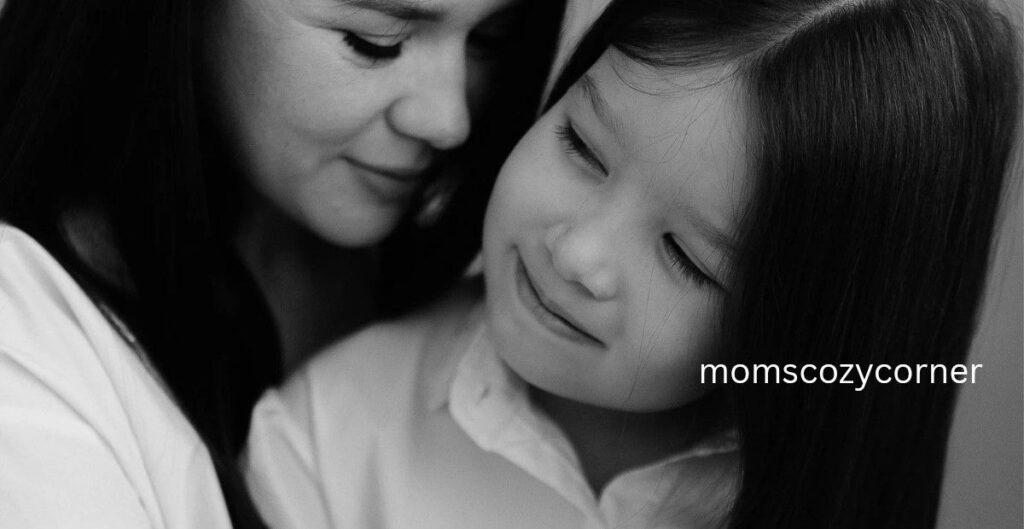
When children feel deeply connected, guidance becomes easier to accept.
The Core Principles of Gentle Parenting
When we really look at gentle parenting, we see something important. It’s not random. It’s not reacting without thinking. A gentle, mindful parent follows simple, steady principles.
At its core, gentle parenting is about the following:
- Responding instead of reacting
- Modeling the behavior we want to see
- Setting limits and staying consistent with them
If we break it down, most of it comes back to three basic areas—often called the 3 C’s: Connection, Communication, and Consistency.
The 3 C’s of Gentle Parenting
1. Connection
Connection means building a loving, secure relationship in everyday calm moments — not just during tantrums. Kids are like seeds in soil. When connections are strong, they grow in safety. And when they feel secure, they’re more open to guidance later.
The connection looks like this:
- Giving attention without distractions
- Listening fully
- Showing love outside correction moments
A strong connection makes boundaries easier to accept.
2. Communication
Communication isn’t about always speaking softly. It’s about speaking respectfully and clearly. Respect doesn’t depend on age. If we can control our tone with our superiors, we can do the same with our kids.
It includes:
- Naming emotions
- Admitting mistakes
- Teaching what to say instead
This helps connect their brain with their emotions and words.
3. Consistency
Consistency is what makes it work. Kids learn through repetition.
- Boundaries stay steady.
- Limits don’t change because of tears.
- Calm responses happen again and again.
Gentle parenting is not soft. It is firm, respectful, and steady.
The 5 C’s / 5 R’s – Why the Confusion?
Online, you’ll see other models like the 5 Cs or 5 Rs. Different experts organize ideas differently. Some focus on confidence and resilience. Others focus on regulation and reasoning.
It can feel confusing.
But most of them come back to the same foundation:
- Strong connection
- Skill-building
- Consistent boundaries
When the base is strong, confidence, resilience, and emotional regulation grow naturally.
How to Gentle Parent in Real-Life Situations
Reading about gentle parenting can feel like just another theory. It sounds peaceful. But in real life — when your child is crying, yelling, refusing, or hitting — it feels different.
I felt that way too.
It takes practice. Even now, I’m still learning. Sometimes I react instantly. Sometimes I get frustrated and over-explain. I don’t always respond calmly. But instead of blaming myself, I ask, What can I do differently next time? That mindset changed everything.

Calm correction during daily routines builds long-term self-control.
Gentle Parenting Toddlers During Tantrums
One morning, my younger daughter refused to brush her teeth before breakfast.
I said, “I can’t serve breakfast until teeth are clean. When you’re ready to brush, we can eat.”
She cried for 15–20 minutes.
I didn’t console her.
I didn’t lecture her.
But I didn’t leave her alone either.
I stayed in the same room—calm, present, and available.
After some time, she hugged me and said, “Brush me.”
No drama. No long explanation.
I don’t always handle things this way. But in that moment, staying regulated helped both of us regulate.
That’s when I saw this works when I practice it intentionally.
What Not to Say During Meltdowns
Avoid statements like the following:
- “Stop crying.”
- “Don’t embarrass me.”
- “Big girls don’t cry.”
- “Don’t behave like this.”
They don’t teach regulation. They add shame.
Regulation Before Correction
A child can’t learn while overwhelmed.
- Stay calm.
- Let the storm pass.
- Then guide.
What to Say Instead of “Don’t Hit”
“Don’t hit” only tells them what not to do.
Teach what to do instead:
- “Ask for the toy.”
- “Say, ‘Can I have it?’”
- “Tell her you’re angry.”
Practice during calm moments too.
Does Gentle Parenting Mean No Yelling?
No. You’re human.
Sometimes we react. Sometimes we lose patience.
What matters is what happens next.
Instead of blaming the child, take responsibility:
⇒“I was frustrated.”
⇒“That was my mistake.”
Gentle parenting isn’t soft or permissive.
It’s
- Clear boundaries
- Mutual respect
- Regulating before responding
- Repairing when we fall short
That’s what it looks like in real life.
Gentle Parenting Discipline (Yes, Discipline Still Exists)
Gentle parenting does include discipline — just not in a punishment-based way. A gentle and thoughtful parent focuses on teaching skills instead of stopping behavior through fear. When a child hits or throws, the question isn’t “Why are they bad?” but “What skill is missing?” Often, it’s emotional regulation or communication.
If you want a deeper breakdown of what discipline looks like in daily toddler life, you can read my full guide on how to discipline a toddler.

Gentle parenting discipline focuses on teaching skills, not punishment.
How Do You Discipline When Gentle Parenting?
You teach instead of punish. Set calm, clear boundaries and follow through without threats. Discipline becomes guidance, not control.
Gentle Parenting: Consequences vs. Punishment
Punishment controls; consequences teach. Natural consequences happen on their own. Logical consequences are respectful and related to the behavior.
Are There Gentle-Parenting Punishments?
Not in the traditional sense. The goal isn’t suffering—it’s learning, repairing, and building better skills.
Common Gentle Parenting Doubts (Answered Honestly)
Many people misunderstand gentle parenting. It doesn’t mean saying yes to everything. It means holding boundaries with respect while honoring emotions.
Is Gentle Parenting Spoiling Kids?
No. Spoiling comes from a lack of limits. Gentle parenting allows feelings but sets firm boundaries. A child can be angry — but hitting is still not okay.
What Is the Downside of Gentle Parenting?
It requires emotional regulation and consistency from parents. Staying calm when exhausted is hard. That’s why progress matters more than perfection.
Is It Too Late to Stop Yelling?
Never. Something is better than nothing. Just as we can rewire our brains, our children can too. Start now. Repair often. Trust rebuilds.
Simple Gentle Parenting Tips You Can Start Today
Gentle parenting doesn’t require a dramatic personality change. Small, intentional shifts make the biggest difference over time.
5 Realistic Gentle Parenting Tips
- Take a small pause before reacting. In that moment, I think about what I’m going to say and whether I can truly follow through on it. I try to choose a logical consequence that relates to the situation instead of speaking out of frustration. When I stay consistent with my words, my child understands the connection better and learns to trust what I say.
- Teach what to do, not just what to stop doing.
- Practice skills during play (use dolls to role-play hard moments).
- Connect during calm times so correction feels safer later.
- Repair after hard days—apologize without shame.
The “Right Way” to Gentle Parent
There is no fixed script. It depends on your family, environment, and values. What stay constant are clear boundaries, mutual respect, accountability, and focusing on progress over perfection. Learn, adjust, and move forward — don’t stay stuck in guilt.
Conclusion
Gentle parenting isn’t about smiling through every tantrum or getting it right all the time. You don’t have to be perfect to raise a strong, emotionally healthy child. What really matters is connection and clear boundaries. When you choose to become a more gentle, intentional parent, limits don’t feel like control to your child — they feel safe.
This isn’t about changing your whole personality. It’s about practice. If you react, you repair. If something doesn’t work, you try again. That’s growth. I’ve seen it with my own daughters. Their teachers tell me they follow school rules even when no one is watching — not because they’re afraid, but because they understand.
If this spoke to you, share your thoughts or experiences in the comments. We’re all learning together. And truly, thank you for reading — it means more than you know.