How to Stop Toddler From Throwing Things When Words Don’t Work
Introduction
When my daughter was around two years old, she went through a strong throwing phase. Soft dolls, spoons, TV remotes—the texture didn’t matter. Whatever she could grab, she threw. Like most parents, I believed explaining would work. I calmly told her it might break, someone could get hurt, and that throwing wasn’t good behavior. I truly thought that if I explained patiently, she would understand at some point. But even after explaining again and again—after ten throws or more—the behavior continued. I ended up shouting, rolling my eyes, and giving her the exact attention she was seeking. That only made things worse. That’s when I realized explaining wasn’t the real solution. If you’re trying to stop toddler from throwing, understanding why it happens is the real turning point. Once I understood why my daughter was throwing things, the response became much calmer.
In this article, you’ll learn that reason—and the simple, doable steps that actually help.
Why Toddlers Throw Things
At first, toddler throwing can feel random and intentional at the same time. I used to feel that way too. But once I started observing closely, I realized something important: throwing is not defiance—it is communication, especially between ages two and three.
I even see this with my four-year-old now. Recently, she was drawing a picture that didn’t turn out the way she imagined. She felt frustrated but didn’t have the words to say, “I want to try again,” or “I’m feeling sad.” Instead, she threw the paper away and said she didn’t want it. The behavior wasn’t rude—it was emotional expression without words.
Here’s what throwing often communicates:
1. “Notice me.” (Attention)
When my daughter was around two and a half, she stayed with me in the kitchen while I cooked. One day, she called my name to show me something she made with utensils. I didn’t respond immediately. The next thing she did was throw the utensil near me. I turned instantly.
That reaction taught her, “When I throw, I get attention fast.”
2. “I’m not ready to stop.” (Transition/Escape)
I once saw a neighbor’s child at the park throw his slippers when his mom said it was time to leave. He couldn’t say, “I want more time,” so throwing delayed the moment—even a little.
3.“I’m curious.” (Sensory exploration)
Toddlers love watching objects fall, bounce, and make sounds. Seeing and hearing work together, helping them learn:
- What makes noise?
- What bounces?
- What stays still?
4. “I decide.” (Control / decision-making power)
Toddlers throw things to assert control and make their choice visible. For example, in a mall, when a toddler wants a toy and can’t accept “no,” throwing nearby objects becomes a way to say, “This is my decision—I want that toy.” It’s not defiance; it’s a child expressing power without words.
When we read throwing as communication, not disobedience, we stop reacting in frustration and start responding with solutions. This mindset shift is often the first real step to stop toddler from throwing, without yelling, lecturing, or power struggles.
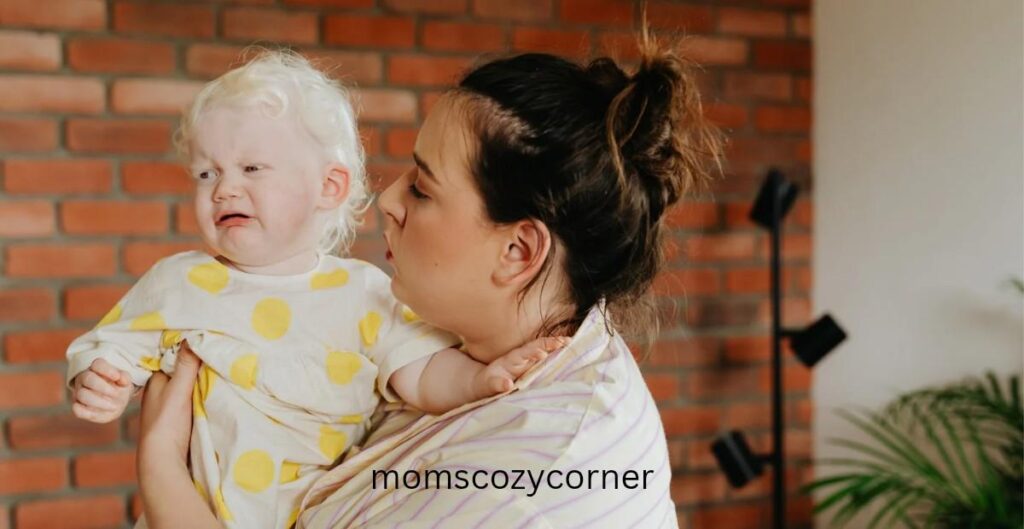
Throwing isn’t defiance—it’s their way of saying how they feel.
Why Explaining Doesn’t Work in the Moment
Now that we understand why toddlers throw things, the next question is obvious:
Why doesn’t explaining work in that moment?
Toddlers usually throw when emotions are high—frustration, excitement, stress, or curiosity—or during difficult transitions. In those moments, their emotional brain is in charge, not the thinking brain. And when the emotional brain takes over, logic simply cannot enter.
What’s really happening in that moment:
⇒Emotional brain = active
Big feelings are running the show.
⇒Thinking brain = offline
Rules, consequences, and explanations can’t be processed yet.
So when we explain, even calmly, the message doesn’t reach understanding. Instead, something else happens.
From a behavior-analysis point of view, long explanations often turn into attention. Our eye contact, tone, facial expressions, and repeated words all feed the emotional brain. The child learns one clear pattern:
⇒“When I throw things, my parent focuses on me.”
That’s why throwing often repeats—because it works.
This doesn’t mean explaining is wrong. It means timing matters.
This understanding is a core part of respectful discipline. If you’re looking for a bigger picture of setting boundaries without yelling or punishment, this fits closely with How to Discipline a Toddler.
During throwing:
Less language = less emotional energy = less reinforcement.
For example, if a toddler throws a toy, say “Don’t throw” once, in a neutral tone, and quietly remove the toy. That’s it. No second warning. No emotional reaction.
After calm returns:
The thinking brain comes back online, and learning can happen.
Teaching works best when emotions are settled—not when they’re overflowing.
Once we understand this, we stop talking more and start responding smarter—calmly, clearly, and without feeding the behavior, which helps stop toddler from throwing things over time.
What to Do in the Exact Moment Your Toddler Throws Something
Before reacting, pause for one second. This moment decides whether the situation escalates or helps you stop toddler from throwing in the long run.
When your toddler throws something, remember this first:
This moment is not for correction. It’s for regulation.
The goal is to make the space safe and help your child’s emotional brain calm down so the thinking brain can return.
Step 1: Make it safe—calmly
No matter what your toddler throws—soft or hard, big or small—quietly remove the object and place it out of reach.
- No angry face.
- No frustrated tone.
- No rushing.
Toddlers read our facial expressions before our words. In that moment, words don’t land—but emotions do.
Step 2: Use minimal language
Avoid explanations, arguments, or repeated warnings. Too many words add noise to an already overwhelmed brain.
If words are needed at all, keep them short and neutral—or say nothing.
Less language = less emotional energy = less reinforcement
Step 3: Reduce stimulation (without leaving your child alone)
When the environment feels noisy or overwhelming, I gently take my daughter with me to a quiet room and stay with her. This is not a timeout, and it’s not isolation.
I don’t send her away—I go with her.
She may cry, kick, or resist, and that’s okay. The purpose of the quiet room is simply to reduce noise and stimulation so her emotional brain can settle. My presence stays constant, calm, and steady.
Step 4: Stay present, not reactive
I sit on the bed and do something neutral—folding clothes, rearranging books—without giving intense attention.
She may scream things like
- “I’ll hit you!”
- “I don’t love you!”
- “I hate you!”
I don’t react emotionally. If she tries to hit, I say once:
“That hurts me.”
and calmly move away.
Step 5: Let the wave pass
Eventually, she cries and comes to me saying, “Mom up.” I hold her. No lectures. No “I told you so.”
Sometimes it takes five minutes. Sometimes twenty. I stay with her the whole time.
What consistency teaches:
“When I throw, I lose the object—but I don’t lose my mom.”
That’s how behavior changes and trust grows.
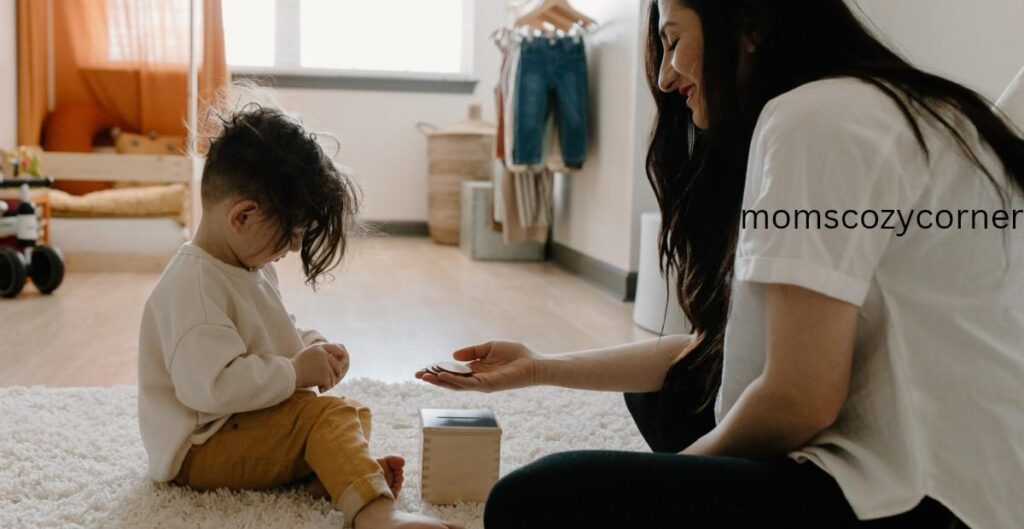
Stay calm, stay close—help them regulate before they learn.
Why Calm Presence Works Better Than Words
When you stay present during a toddler’s emotional storm, your calmness sends a powerful message:
“This feeling is manageable. It will pass.”
Children don’t learn emotional regulation by being told what to do in the moment. They learn it by borrowing a regulated nervous system. Your quiet presence becomes that anchor.
Calm presence looks like this:
- Staying nearby without explaining
- Keeping your body relaxed and neutral
- Allowing the emotion to rise and fall naturally
Physical touch is optional and child-led.
Some toddlers resist closeness, push parents away, or even say things like “I hate you”—especially after an object is removed. That resistance is frustration, not rejection. In those moments, staying close without touching is more regulating than forcing comfort.
“Forced comfort creates resistance. Chosen comfort creates safety.”
Importantly, this is not rescuing and not a timeout. You are with the child, but you are not fixing the feeling for them.
Once the emotion has passed, that’s when learning begins—through simple words, play, or modeling. Regulation first. Teaching second.
How to Replace Throwing (So It Actually Stops)
By now, we know one clear thing:
Words don’t stop throwing in the moment.
Removing the object may stop the action, and a calm presence helps regulation—but something still needs to replace throwing.
Throwing helped your toddler do something.
So we teach them another way to do the same thing.
Teach what they can do instead.
Instead of saying “don’t throw,” show a clear alternative:
- “Put it in my hand.”
- “Keep it on the floor.”
- “Throw only on the pillow.”
These are simple actions toddlers can remember.
Change what they can access.
When throwing is frequent:
- offer soft toys, balls, pillows, dough
- reduce access to hard or heavy objects
- Keep fewer toys out during high-energy moments.
This lowers temptation without punishment.
Give throwing a safe place.
Throwing is not bad—it’s just misplaced.
- outdoor throwing games
- throwing balls into a box
- soft indoor throwing only in one spot
This teaches:
“Throwing is a game we play here, not everywhere.”
Teach skills after calm returns.
When your child is calm:
- model using very few words
- Show the action instead of explaining.
- Stay calm, just like during regulation.
Then teach simple words:
- “I’m angry.”
- “I want five more minutes.”
Help words work better than throwing.
If your child asks for five minutes, give it—and stick to it.
Remind them one minute before time ends.
Don’t extend again and again.
This teaches them:
“My words work. I don’t need to throw.”
Progress looks like fewer throws, safer throws, and faster recovery—and that’s real success.
Final Takeaway for Parents
Whenever you see your toddler throwing things, don’t think they are disobeying you or disrespecting your words. At this early stage, they honestly don’t know how to handle big emotions. If your goal is to stop your toddler from throwing, the first step is understanding that they are having a hard time and need our help and guidance—not punishment.
This is not about a bad child or you being a bad parent. It’s about a nervous system that is still developing and learning.
Calm presence, a neutral tone, fewer words, and consistency—don’t just stop throwing. They teach children that they are safe, that they can trust you, and that you will guide them through hard moments. The change won’t happen overnight, but it will be steady.
If you’ve faced similar situations or found something that helped your child, please share it in the comments. Another parent may really need it.
Thank you for reading this far. It truly means a lot.